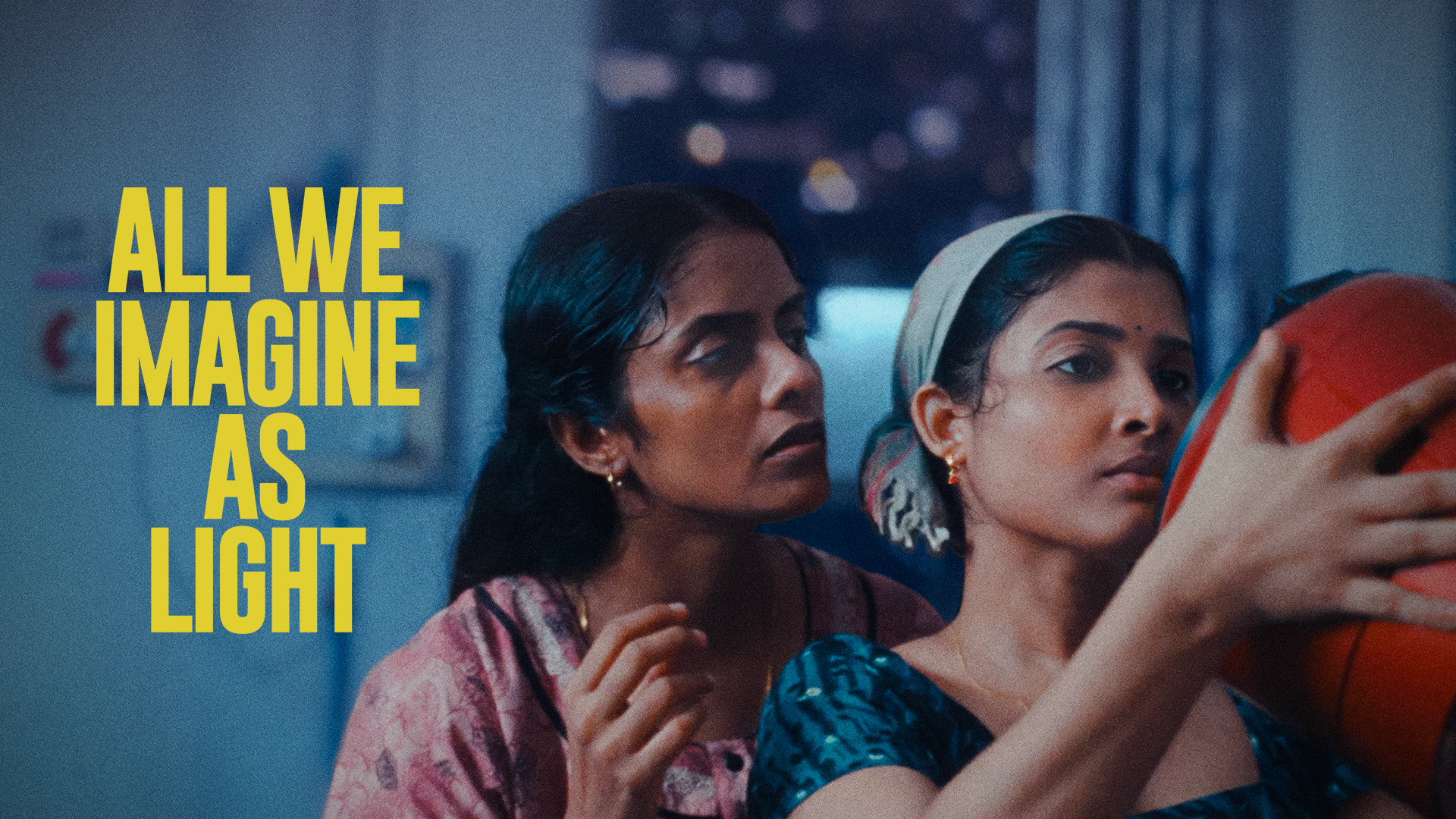
All We Imagine as Light:- 2024
All We Imagine as Light Is the Most Important Indian Film in Twenty Years and It Arrives Completely Without Fanfare
Payal Kapadia has made a film about two nurses in Mumbai that contains more truth about what it feels like to be alive in this city, in this time, in this body, than anything Indian cinema has produced since Pather Panchali entered a village in Bengal and refused to look away.
I watched it last night. I have not read a single other review. I am writing this before the opinions of others can contaminate what I actually felt, which is the only honest way to write a First Look.
What Payal Kapadia has done is something Indian cinema has been afraid to do for a long time. She has trusted silence. She has trusted the face of an actor doing nothing visible. She has trusted that a woman standing at a window at three in the morning, not crying, not speaking, not doing anything a screenplay would require her to do — is enough. It is more than enough. It is everything.
The film follows Prabha and Anu, two Malayali nurses sharing a room in Mumbai. Prabha's husband left for Germany years ago and has not called since. Anu is conducting a secret relationship with a Muslim man her family would not accept. These are not unusual situations. That is the point. Kapadia is not interested in the extraordinary. She is interested in what ordinary life does to a woman's interior world when there is no dramatic resolution available to her.
The film moves at a pace that will lose impatient viewers in the first twenty minutes and reward everyone else with an experience that builds to something genuinely devastating. There is a sequence in the second half set in Ratnagiri — the sea, the light, a night on the beach — that I will not describe because describing it would be the same as ruining it. I will only say that it is one of the most beautiful things I have seen on screen in years and that its beauty is entirely earned by the ninety minutes of restraint that preceded it.
Kani Kusruti as Prabha carries the film's emotional weight without ever appearing to carry anything. She is simply present — in scene after scene of ordinary life, of fluorescent hospital corridors, of rice being cooked, of a phone that does not ring — and that presence accumulates into something that breaks open in the final act without warning.
The cinematography by Ranabir Das treats Mumbai as a city of surfaces and light and bodies pressed together with nowhere to go. Night scenes glow without prettiness. The city is not beautiful and not ugly — it is simply relentless, the way it actually is.
This is a First Look. I will return with a full Close-Up after a second viewing. But I am not willing to wait for the Close-Up to say this clearly:
All We Imagine as Light is a masterpiece. It is the film Indian cinema has needed to make for twenty years — about women, about the city, about loneliness that is not dramatic, about desire that has no outlet, about what it costs to be alive and female and far from home. Watch it tonight if you can. Nothing else in Indian cinema this year is close.
💬 Discussion
0 comments